
Discover the top 5 Medicare supplement plans for seniors in 2026. Compare Plan G, Plan N, Plan F, Plan K, and High-Deductible Plan G with updated costs, detailed pros and cons, and personal research guidance to help you understand your Medigap coverage options.
Hey there! If you’re approaching 65 or already enjoying your retirement years, you’ve probably heard about Medicare supplement plans—also called Medigap. The entire Medicare landscape can feel incredibly overwhelming at first, but you are definitely not alone in feeling that way.
As a personal researcher diving deep into public healthcare data, my goal today is to walk you through five of the top Medicare supplement plans widely utilized by seniors. These plans are designed to help cover those out-of-pocket expenses that Original Medicare doesn’t handle. Think of this as a helpful overview where we break down everything you need to know without the confusing insurance jargon.
What Are the Top 5 Medicare Supplement Plans for Seniors?
Understanding Medicare Supplement Plans for Seniors.The Basics
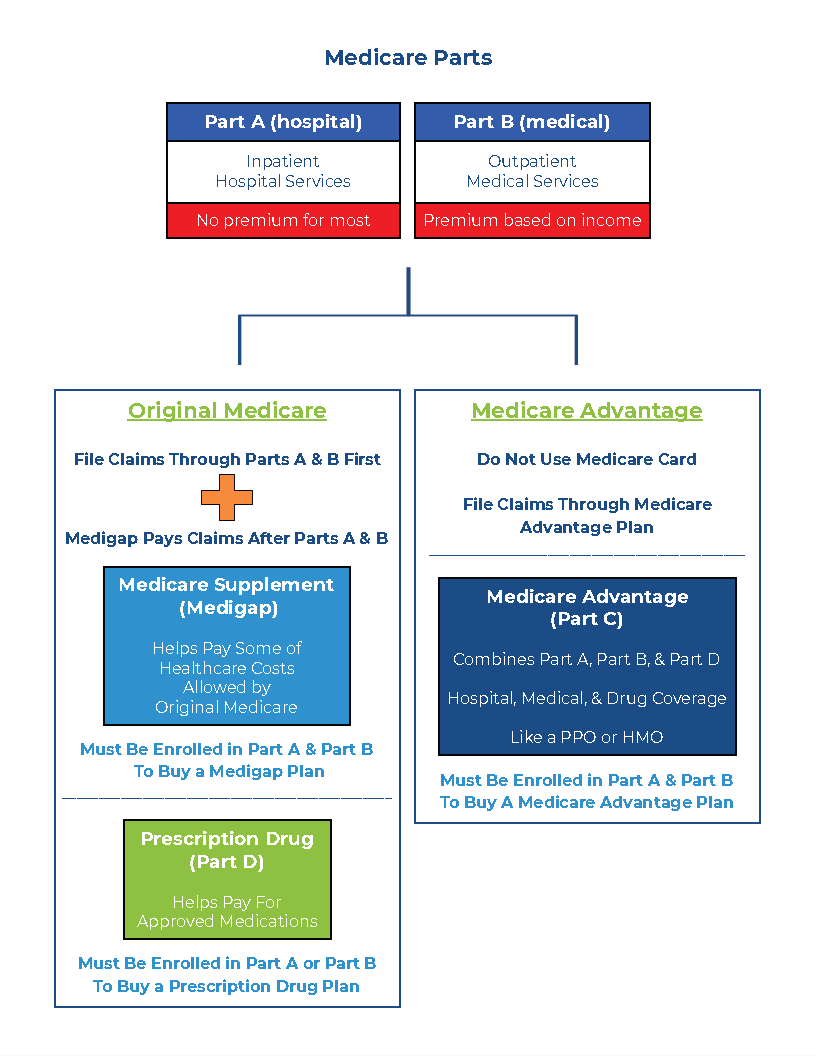
Before analyzing specific options, it is important to understand what Medicare supplement plans actually do.
Original Medicare (Parts A and B) provides vital medical coverage, but it does not cover 100% of your expenses. Beneficiaries face copayments, coinsurance, and deductibles that can accumulate rapidly. Medicare supplement plans are designed to fill these specific gaps, which is why they are commonly referred to as “Medigap” policies.
These plans are sold by private insurance companies but are strictly standardized by the federal government. This means a Plan G from one private company offers the exact same basic coverage benefits as a Plan G from a competitor.
Why Medicare Supplement Plans Matter for Seniors?
Healthcare costs represent a significant variable as we age. National retirement data indicates that an average 65-year-old couple retiring today could require substantial savings just to cover lifetime medical insurance premiums and out-of-pocket expenses.
Medicare supplement plans assist with predictable household budgeting. They allow you to trade unpredictable medical bills for a steady monthly premium. Furthermore, Medigap policies generally do not use managed care networks, meaning you can see any healthcare provider in the nation who accepts Original Medicare.
The Top 5 Medicare Supplement Plans for Seniors in 2026
Based on national enrollment popularity, coverage structure, and overall consumer value, here are five prominent Medicare supplement plans available in 2026.
1. Medicare Supplement Plan G – The Most Comprehensive Current Option
For individuals entering Medicare today, Plan G has largely become the standard for comprehensive coverage since Plan F stopped allowing enrollment for new beneficiaries in 2020.
-
What Does Plan G Cover? Plan G covers virtually all Medicare-approved out-of-pocket expenses except for the annual Medicare Part B deductible, which is $283 in 2026 . Once that initial deductible is satisfied out-of-pocket, Plan G covers:
-
Medicare Part A hospital deductible ($1,736 per benefit period in 2026)
-
Part A coinsurance and hospital costs up to an additional 365 days
-
Skilled nursing facility care coinsurance ($217 per day for days 21–100 in 2026)
-
Medicare Part B 20% coinsurance or copayments
-
Medicare Part B excess charges (extra fees charged by providers who do not accept Medicare assignment)
-
-
Pros: Highly predictable costs; robust protection against catastrophic medical debt; total freedom of provider choice with no network restrictions or specialist referral mandates.
-
Cons: Higher monthly premiums relative to other plans (frequently averaging between $150–$210 depending on age, gender, and geographic location); the annual Part B deductible must be paid first; premiums generally experience annual age-based adjustments.
2. Medicare Supplement Plan N – The Premium-Saving Alternative
Plan N offers an alternative cost-sharing structure. It is designed for individuals who want protection against major medical expenses but are willing to pay small out-of-pocket copayments in exchange for lower monthly premium rates.
-
What Does Plan N Cover? Plan N covers the same major items as Plan G (including the $1,736 Part A deductible), with a few exceptions:
-
You are responsible for a copayment of up to $20 for certain doctor office visits.
-
You are responsible for a copayment of up to $50 for emergency room visits (waived if you are admitted as an inpatient).
-
It does not cover Medicare Part B excess charges.
-
-
Pros: Noticeably lower monthly premiums than Plan G (often ranging from $110–$165 in 2026); excellent financial efficiency if you visit medical clinics infrequently.
-
Cons: Copayments can accumulate if you require frequent specialist consultations; zero coverage for Part B excess charges (though these are illegal in certain states and rare among providers who accept Medicare assignment).
3. Medicare Supplement Plan F – Legacy Coverage for Eligible Seniors
Plan F remains functioning but is exclusively restricted. By federal law, it cannot be purchased by anyone who became eligible for Medicare on or after January 1, 2020. If you were eligible prior to that date, you retain the right to keep or purchase this plan.
-
What Does Plan F Cover? Plan F provides 100% coverage for all out-of-pocket Medicare-approved costs, including the Part A hospital deductible ($1,736) and the Part B medical deductible ($283) [1].
-
Pros: Complete elimination of out-of-pocket medical expenses for Medicare-covered services; maximum predictability.
-
Cons: Highest standard premiums in the Medigap marketplace; unavailable to new retirees; pool of enrollees is aging, which historically triggers steeper annual premium increases.
4. Medicare Supplement Plan K – The Shared-Risk Safety Net
Plan K functions under a distinct cost-sharing framework. Instead of covering entire line-item deductibles or coinsurance percentages from day one, it splits covered expenses with you until an annual threshold is met.
-
What Does Plan K Cover?
-
Covers 100% of Medicare Part A hospital coinsurance.
-
Covers exactly 50% of the Part A hospital deductible ($868 of the $1,736 total in 2026) .
-
Covers 50% of Part B coinsurance, hospice care, and skilled nursing facility costs.
-
Does not cover the Part B deductible or Part B excess charges.
-
Out-of-Pocket Maximum: Plan K features a strict annual out-of-pocket limit of $8,000 for 2026 [2]. Once your eligible 50% cost-sharing amounts reach $8,000, the plan covers 100% of Medicare-approved costs for the rest of the calendar year.
-
-
Pros: Low monthly premiums (frequently between $55–$90); establishes a firm legal ceiling on your annual medical exposure via the out-of-pocket max.
-
Cons: Unpredictable short-term expenses; the 50% cost-sharing mechanism requires careful manual calculation and cash flow tracking.
5. High-Deductible Plan G – Minimal Premiums for Low Healthcare Users
High-Deductible Plan G (HD-G) is a variation of standard Plan G. It offers identical long-term coverage benefits but introduces a notable upfront deductible requirement.
-
How High-Deductible Plan G Works: In 2026, the statutory deductible for this plan is set at $2,950 [2]. You are personally responsible for paying Medicare-approved deductibles, copayments, and coinsurance out-of-pocket until you have spent a total of $2,950. Once this threshold is crossed, the policy converts into a standard Plan G, paying 100% of your covered expenses for the remainder of the calendar year.
-
Pros: Some of the lowest monthly premiums available in the Medigap market ($45–$80 on average); highly efficient choice for individuals who rarely require medical care but want protection from catastrophic events.
-
Cons: Requires immediate access to liquid savings to manage the initial $2,950 out-of-pocket liability; the plan deductible resets completely every calendar year on January 1st.
Key Strategies for Comparing Medigap Options
When conducting your personal research to determine which plan aligns with your retirement goals, evaluate these core areas:
-
Analyze Your Historical Medical Usage: If you manage chronic healthcare issues or consult specialists multiple times a year, comprehensive options like standard Plan G frequently prove more cost-efficient over a 12-month period.
-
Evaluate Cash Flow vs. Premium Stability: High-deductible or cost-sharing plans (HD-G, Plan K) minimize fixed monthly overhead but require adequate emergency fund reserves to cover upfront costs when care is needed.
-
Confirm Provider Alignment: While Medigap plans do not restrict you to networks, always verify that your core physicians explicitly accept Original Medicare assignment.
-
Inquire About Available Discounts: Many private carriers offer household or multi-policy discounts ranging from 5% to 12% if multiple family members enroll with the same company.
Crucial Enrollment Regulations to Remember
-
The Medigap Open Enrollment Period: This is a vital six-month window that triggers automatically on the first day of the month you are both age 65 or older and enrolled in Medicare Part B. During this specific timeframe, you possess federal guaranteed issue rights. Carriers are legally prohibited from utilizing medical underwriting, meaning they cannot deny coverage or inflate your premium based on your personal health history.
-
The Reality of Medical Underwriting: If you attempt to purchase or alter a Medicare supplement plan outside of your open enrollment window (and do not qualify for a specialized guaranteed issue exception), private insurance companies are legally permitted to review your comprehensive medical records. They can apply premium surcharges or reject your application entirely based on pre-existing conditions.
Common Questions Regarding Medigap Coverage
Do these supplement plans include prescription drug coverage?
No. Federal regulations prohibit modern Medigap policies from covering retail prescription medications. To secure prescription drug coverage, beneficiaries must enroll in a standalone Medicare Part D plan or utilize alternative creditable coverage.
Can I hold both a Medicare Advantage plan and a Medigap plan simultaneously?
No, this is legally prohibited. You must choose between Original Medicare paired with a private Medigap policy, or a managed-care Medicare Advantage plan (Medicare Part C). They represent entirely distinct administrative approaches to managing your Medicare benefits.
How can I obtain localized, objective guidance?
Because premium pricing varies distinctly by zip code and company rating methods, independent review is crucial. The State Health Insurance Assistance Program (SHIP) offers free, localized, and completely unbiased counseling for Medicare beneficiaries across the United States.
Disclaimers and Research Sources
Editor’s Note & Compliance Disclaimer: This article represents independent, personal research compiling publicly available healthcare data for educational purposes. This content does not constitute formal financial, legal, or licensed insurance advice. Because insurance regulations and premium pricing vary by state and individual health status, readers are strongly encouraged to consult official government resources or a licensed insurance professional prior to making enrollment decisions.
References
-
Alexandra Allen, M. (2026). Financialization’s Impact on Medical Debt in the U.S. Healthcare System and on Disenfranchised Communities, Advocacy and Policy Responses. Healthcare Value Hub. https://healthcarevaluehub.org/resource/2026/financializations-impact-on-medical-debt-in-the-u-s-healthcare-system-and-on-disenfranchised-communities-advocacy-and-policy-responses/
Cited by: 0
-
Hallowell, A. L. (2025). Protecting the Integrity and Quality of the Medicare Advantage Program: A Position Paper From the American College of Physicians. Annals of Internal Medicine. https://www.acpjournals.org/doi/10.7326/ANNALS-25-04309
Cited by: 0
-
Joyce, G. (2025). The changing Part D landscape. PMC. https://pmc.ncbi.nlm.nih.gov/articles/PMC13070726/
Cited by: 0
-
Part, B. (2026). 2026 Medicare Quick Reference Guide. Retirement Refined. https://www.retirementrefined.com/wp-content/uploads/2026/02/2026-Medicare-Quick-Reference-Guide.pdf
Cited by: 1
-
Plus, H. D. (2023). PLAN G High Deductible Plus. Blue Cross and Blue Shield of Illinois. https://www.bcbsil.com/medicare/pdf/plan-g-hd-plus-std-policy-book.pdf
Cited by: 2
Public Domain & Licensing Notice: The data structures and official cost charts displayed in this article are sourced directly from the 2026 Choosing a Medigap Policy official guide published by the Centers for Medicare & Medicaid Services (CMS) and the Department of Health and Human Services (HHS). As products of the United States Federal Government, these statutory benefit charts and figures reside in the public domain and are utilized here for educational and consumer review purposes.

Humera Khan is a professional digital content creator, SEO strategist, and data researcher specializing in the U.S. insurance market. Formally trained in advanced Content Writing, Search Engine Optimization, and Digital Marketing through the DigiSkills.pk program—executed by the Virtual University of Pakistan—Humera applies precise analytical standards to complex financial and corporate policy data. Her core mission for InsuranceInfoUSA is to provide readers with highly credible, transparent, and accessible insurance guidance. To maintain the highest level of factual integrity, her research methodology relies strictly on authoritative, verified industry benchmarks, with complete primary source citations included at the end of every guide to ensure total transparency and data reliability.To ensure total transparency and data reliability. For editorial inquiries or direct questions, she can be reached at Contact@insuranceinfousa.com.